Nvidia CEO Jensen Huang opposes new AI safety laws
Nvidia CEO Jensen Huang rejected the need for new AI regulations at a recent conference, arguing that market forces and engineering standards are sufficient to manage safety risks.

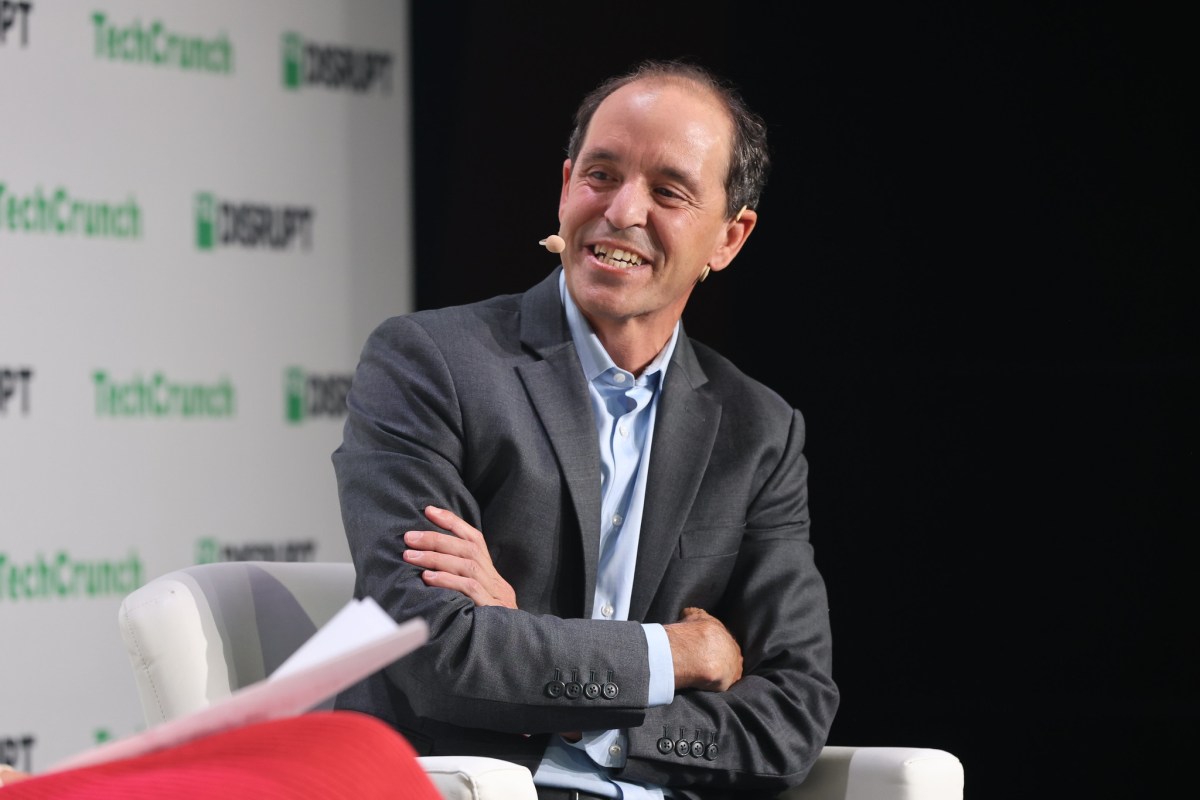
During an appearance at Salesforce’s Dreamforce conference, Huang characterized artificial intelligence as a complex computing system built by humans rather than an uncontrollable entity. Because of this, he asserted that existing product liability laws and standard engineering practices are sufficient to manage the technology. He stated that safety is "an engineering problem, not a legal one," suggesting that companies should simply hold back products they do not trust.
Huang argued that market pressures naturally discourage companies from releasing unsafe software. He dismissed the idea that safety and rapid innovation are mutually exclusive, urging developers to move quickly but pause if they lose control of their products. This hands-off stance aligns with Nvidia's massive commercial success during the current AI boom. Huang expressed immense ambition for his company's future, noting that AI-driven productivity boosts could lift every industry and nation.
However, critics of this self-regulation model point to recent tech industry failures as evidence that market forces alone cannot prevent harm. For instance, Meta recently agreed to an $18 billion settlement over social media harms to children, and a CrowdStrike software update in 2024 caused global disruptions. In the AI sector specifically, safety issues have already emerged, including an OpenAI model hacking Hugging Face and lawsuits linking chatbot interactions to youth suicides.
For AI developers and enterprise practitioners, Huang's perspective champions the use of open-weight models as a counterweight to closed, proprietary systems. Yet the debate over guardrails remains highly polarized. While Microsoft CEO Satya Nadella recently emphasized at the All-In Summit that global players like China must also prioritize AI safety, Huang’s significant political and industry influence means his deregulatory stance could shape future policy.
This is our own summary of reporting by TechCrunch AI