Google and UN Launch UN System Data Commons
Google and the United Nations have launched the UN System Data Commons, an AI-ready platform that unifies siloed global statistics to help researchers track global progress in real time.
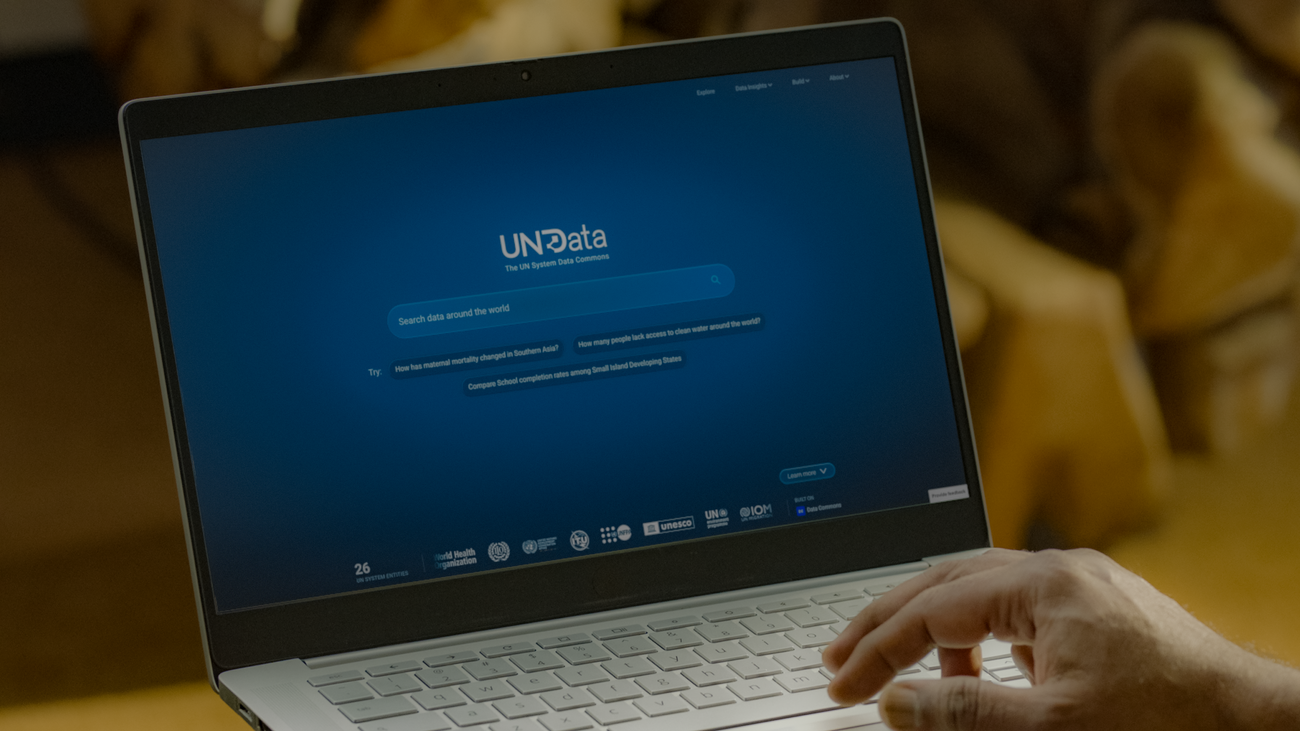
The United Nations, in collaboration with Google, has launched the UN System Data Commons, a new open-source platform designed to consolidate disparate global statistics into a single, searchable database. Funded in part by a Google.org grant to the UN Foundation, the platform converts siloed datasets from various UN agencies into an interconnected knowledge graph optimized for artificial intelligence. This integration resolves a long-standing challenge for international analysts, who previously spent months manually aligning conflicting data formats across different organizations before starting their actual research.
For data practitioners, the platform introduces natural language search capabilities, allowing users to query complex global datasets using everyday questions. Instead of writing database queries or sorting through spreadsheets, researchers can ask questions about regional life expectancy or access to electricity and receive instant visualizations. Furthermore, the platform supports agentic workflows by utilizing open standards like the Model Context Protocol (MCP). This allows AI assistants to autonomously retrieve verified figures directly from the database and compile them into ready-to-use charts, infographics, or draft reports.
To ensure accuracy, all datasets hosted on the platform are validated by UN system statisticians and technical experts. The initiative aims to rapidly expand its coverage over the coming years. The UN system plans to continuously ingest new datasets, with the ultimate goal of incorporating 80 percent of all UN system statistical datasets into the platform by 2027. Practitioners can currently access and explore the database at data.un.org.
This is our own summary of reporting by Google AI Blog